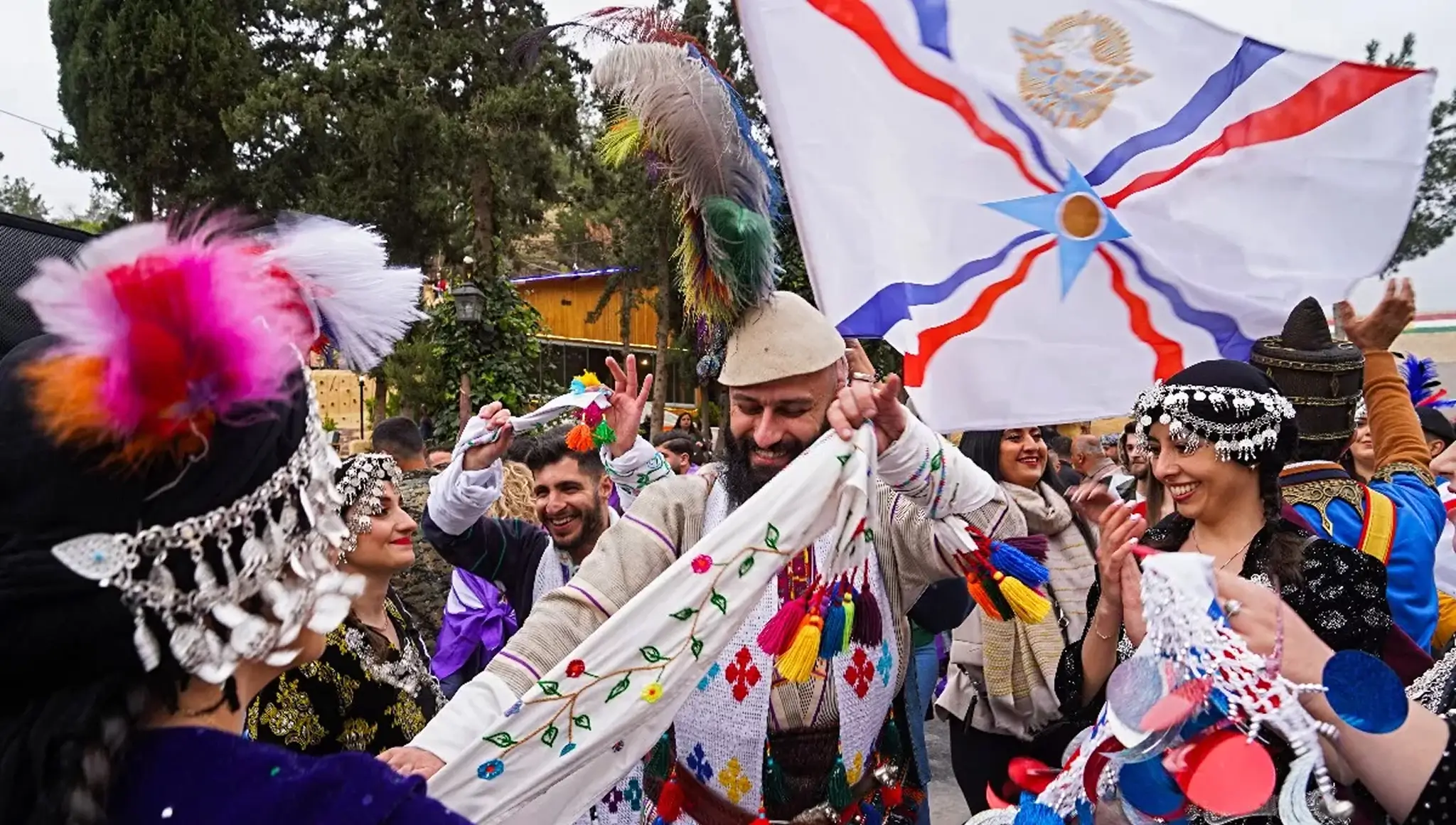
Assyrian New Year 2026 (1April): Date, History, Meaning, Celebrations & More
Assyrian New Year 2026, also known as Kha b-Nisan, is one of the oldest continuously celebrated festivals in the world. It marks the beginning of the Assyrian calendar and honors the rich cultural, historical, and spiritual heritage of the Assyrian people.
Date of Assyrian New Year 2026
Wednesday, April 1, 2026
The Assyrian New Year is celebrated annually on April 1, symbolizing renewal, rebirth, and the arrival of spring
History of the Assyrian New Year
The origins of the Assyrian New Year date back over 6,700 years to ancient Mesopotamia, one of the earliest cradles of civilization. It was celebrated by ancient Assyrians, Babylonians, and other Mesopotamian cultures as a festival marking the start of the agricultural year.
Historically, the celebration lasted for multiple days and included religious ceremonies, rituals, and community gatherings. It was closely tied to nature, symbolizing fertility, renewal, and the victory of life over winter. Today, Assyrian communities around the world continue to celebrate this ancient tradition, preserving their identity and cultural legacy.
Significance of Assyrian New Year 2026
This festival holds deep cultural and symbolic importance:
- Celebrates one of the oldest recorded New Year traditions in history.
- Honors Assyrian heritage, identity, and cultural continuity.
- Symbolizes renewal, hope, and new beginnings.
- Strengthens unity among Assyrian communities worldwide.
- Promotes awareness of ancient Mesopotamian history and traditions.
Understanding Kha b-Nisan (Assyrian New Year)
Kha b-Nisan translates to “First of April” and represents the beginning of a new year in the Assyrian calendar. The celebration is deeply connected to themes of rebirth, agriculture, and seasonal change.
It reflects the ancient belief in the cycle of life, where spring represents growth, prosperity, and new opportunities. The festival also serves as a reminder of the resilience of the Assyrian people and their enduring cultural identity despite historical challenges.
Ways to Celebrate Assyrian New Year 2026
People celebrate the day with joy, pride, and cultural expression:
- Participate in parades featuring traditional Assyrian clothing.
- Attend cultural events, music performances, and dance celebrations.
- Decorate homes with flowers and spring symbols.
- Share traditional Assyrian meals with family and friends.
- Learn about Assyrian history and heritage.
- Join community gatherings and festivals.
- Share greetings and messages celebrating the new year.
Interesting Facts About Assyrian New Year
- It is over 6,700 years old, making it one of the oldest holidays.
- It originated in ancient Mesopotamia (modern-day Iraq and surrounding regions).
- The celebration is closely linked to spring and agricultural renewal.
- Assyrians worldwide celebrate it with cultural pride.
- Traditional symbols often include flowers, especially daisies, representing renewal.
Poster Ideas for Assyrian New Year 2026
- “Celebrate Kha b-Nisan” — traditional cultural visuals.
- “Happy Assyrian New Year” — vibrant and festive design.
- “6,700 Years of Heritage” — historical theme.
- “New Year, New Beginnings” — spring-inspired artwork.
- “Honor Ancient Traditions” — cultural and symbolic imagery.
Wishes for Assyrian New Year 2026
- “Happy Assyrian New Year! May this sacred and ancient celebration bring you renewed hope, endless happiness, and prosperity as you step into a fresh and promising year ahead.”
- “Wishing you a joyful Kha b-Nisan filled with love, cultural pride, and meaningful moments that connect you deeply with your heritage and traditions.”
- “May this Assyrian New Year mark the beginning of new opportunities, personal growth, and success in every aspect of your life.”
- “Happy Kha b-Nisan! May the spirit of renewal and the beauty of spring fill your heart with positivity, peace, and inspiration for the year ahead.”
- “On this special occasion, may you celebrate your rich cultural heritage with pride and create beautiful memories with your loved ones.”
- “Wishing you a wonderful Assyrian New Year filled with laughter, happiness, and the strength to overcome challenges while embracing new beginnings.”
- “Happy Assyrian New Year! May your life bloom like the flowers of spring, bringing joy, prosperity, and success in all that you do.”
- “May this Kha b-Nisan bring you peace in your heart, clarity in your mind, and happiness in every moment of your journey ahead.”
- “Wishing you a year filled with growth, positivity, and endless blessings as you celebrate this timeless and meaningful festival.”
- “Happy Assyrian New Year! May this day remind you of your roots, your strength, and the beauty of your traditions that continue to inspire generations.”
- “May the spirit of this ancient celebration guide you toward a future filled with hope, success, and fulfillment in all your endeavors.”
- “Wishing you and your family a joyful Kha b-Nisan filled with love, unity, and the warmth of togetherness.”
- “Happy Assyrian New Year! May every new day of this year bring you closer to your dreams and fill your life with happiness and purpose.”
- “On this beautiful occasion, may you feel proud of your heritage and inspired to carry forward the traditions and values that define your culture.”
- “Wishing you a bright and prosperous Assyrian New Year, where every moment is filled with joy, every challenge becomes an opportunity, and every dream turns into reality.”
Community Celebrations and Unity
The Assyrian New Year brings communities together through parades, festivals, music, and shared traditions. These gatherings foster unity, strengthen relationships, and create a sense of collective identity. Celebrating together reinforces cultural pride and builds connections among people across different regions and generations.
Traditional Music, Dance, and Attire
Music and dance are central to the celebrations, showcasing the vibrant culture of the Assyrian people. Traditional clothing, often colorful and symbolic, adds to the festive atmosphere. These cultural expressions not only entertain but also preserve historical traditions and pass them on to future generations.
Global Celebrations and Diaspora
Today, the Assyrian New Year is celebrated worldwide by diaspora communities in countries such as the United States, Australia, and across Europe. These global celebrations demonstrate the resilience and unity of the Assyrian people. Despite being geographically dispersed, they remain connected through shared traditions and cultural pride.
Conclusion
Assyrian New Year 2026, celebrated on April 1, is a powerful and meaningful festival that honors ancient traditions, cultural identity, and the spirit of renewal. It brings people together in celebration of heritage, unity, and hope for the future.
