Edible Book Day 2026 (1 April): Date, History, Meaning, Quotes, Role & More
Edible Book Day 2026 is a unique and imaginative celebration that beautifully combines the worlds of literature and culinary art. On this day, people create edible representations of books, stories, characters, or literary themes, transforming written words into delicious visual creations. It is a fun, interactive, and artistic way to celebrate reading while encouraging creativity, innovation, and community participation.
This observance goes beyond traditional literary appreciation by allowing people to experience stories in a completely new and sensory way—through sight, creativity, and taste.
Date of Edible Book Day 2026
Wednesday, April 1, 2026
Edible Book Day is celebrated every year on April 1, making it a perfect occasion to blend creativity, humor, and artistic expression alongside other playful observances of the day.
History of Edible Book Day
Edible Book Day, also known as the International Edible Book Festival, was established in 2000 by Judith A. Hoffberg and Béatrice Coron. The celebration was created in honor of Jean Anthelme Brillat-Savarin, a renowned figure known for his reflections on food, culture, and gastronomy.
The founders envisioned an event that would merge intellectual and artistic pursuits—literature and food—into a single creative expression. Over time, the celebration gained popularity in libraries, schools, museums, and cultural institutions around the world. Participants began crafting intricate edible designs inspired by famous books, literary characters, and symbolic themes.
Today, Edible Book Day has become a global celebration of creativity, learning, and collaboration, enjoyed by people of all ages.
Significance of Edible Book Day 2026
Edible Book Day holds both creative and educational importance:
- It encourages a deeper appreciation for literature through interactive experiences.
- It promotes creativity by combining storytelling with artistic food design.
- It makes reading more engaging, especially for children and young learners.
- It fosters community participation through shared activities and events.
- It highlights the connection between culture, art, and everyday life.
This day reminds us that stories can be experienced in many forms—not just read, but also seen, created, and even tasted.
Understanding the Concept of Edible Books
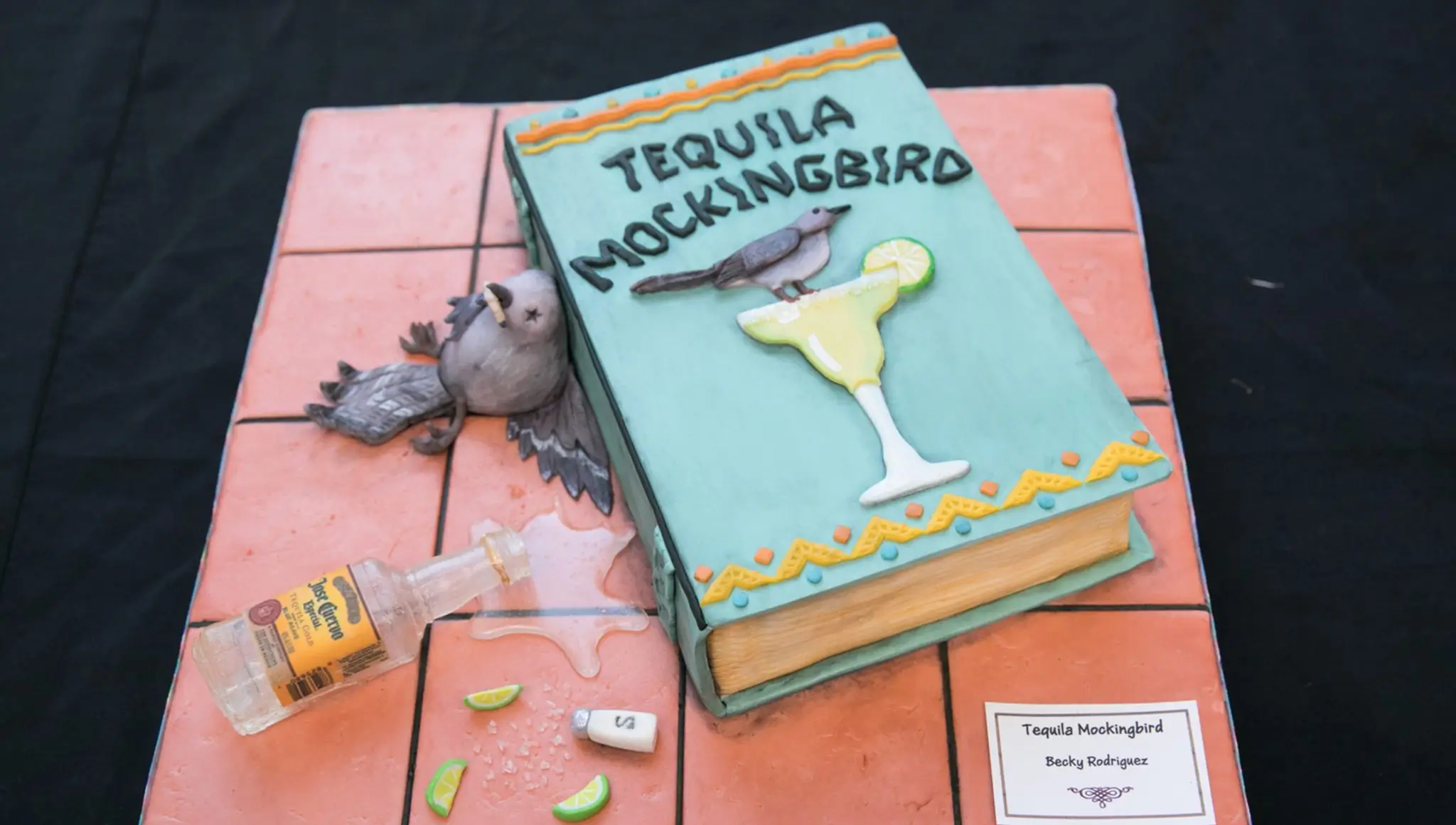
An edible book is any food creation that represents a literary work, character, or theme. These creations can range from simple designs, such as cookies shaped like book covers, to elaborate cakes that depict entire scenes from novels.
Some edible books are literal interpretations, while others are symbolic, using colors, textures, and presentation to represent deeper meanings. For example, a dessert inspired by a mystery novel might include hidden layers, while a fantasy-themed creation might feature vibrant colors and imaginative shapes.
This concept encourages participants to think beyond traditional boundaries, blending storytelling with culinary artistry to create something both meaningful and enjoyable.
Ways to Celebrate Edible Book Day 2026
There are many creative and engaging ways to take part in this celebration:
- Design and create an edible version of your favorite book using cakes, pastries, or snacks.
- Host an edible book competition at schools, libraries, or workplaces.
- Organize a literary-themed gathering where participants present and share their creations.
- Encourage children to create simple edible projects inspired by their favorite stories.
- Visit local libraries or community centers hosting Edible Book Day events.
- Share your edible creations online to inspire others.
- Combine reading sessions with food-based creative activities for a more immersive experience.
Interesting Facts About Edible Book Day
- The event is celebrated globally in educational and cultural institutions.
- It combines visual art, storytelling, and culinary skills uniquely.
- Creations often include puns or humorous interpretations of book titles.
- It promotes hands-on learning and creative thinking.
- The day honors the relationship between food, culture, and storytelling traditions.
Poster Ideas for Edible Book Day 2026
- “Read It, Create It, Eat It!” — fun and engaging theme.
- “A Taste of Literature” — artistic and elegant design.
- “April 1: Stories You Can Eat” — creative and modern concept.
- “Where Books Meet Bites” — playful and colorful visuals.
- “Turn Pages Into Plates” — a unique and imaginative idea.
Wishes for Edible Book Day 2026
- “Happy Edible Book Day! May your creativity transform stories into delightful edible masterpieces that inspire both imagination and joy.”
- “Wishing you a day filled with creativity, laughter, and delicious designs inspired by the stories you love.”
- “May this special day encourage you to explore the magic of literature through artistic and flavorful creations.”
- “Happy Edible Book Day — may your passion for books and creativity come together in the most unique and memorable ways.”
- “Wishing you inspiration to turn your favorite stories into beautiful and delicious works of art.”
- “May your day be filled with fun, imagination, and creations that bring stories to life in a whole new way.”
- “Happy Day! Let your creativity shine as you combine storytelling with culinary expression.”
- “Wishing you a joyful celebration filled with innovative ideas and meaningful creations.”
- “May this day inspire you to think creatively and appreciate literature in new and exciting ways.”
- “Happy Edible Book Day — may your creations delight both the eyes and the taste buds.”
- “Wishing you a day of exploration, creativity, and appreciation for the beauty of storytelling.”
- “May your edible creations spark curiosity, conversation, and a deeper love for books.”
- “Happy Edible Book Day! May your imagination lead you to create something truly special.”
- “Wishing you a day filled with inspiration, innovation, and the joy of sharing your creations with others.”
- “May this celebration remind you that creativity has no limits when it comes to expressing your love for literature.”
Creativity in Literature and Culinary Arts
Edible Book Day highlights the powerful connection between literature and creativity. By transforming written stories into edible designs, individuals explore new ways of expressing ideas and emotions. This blend of art forms encourages imaginative thinking and allows people to engage with literature beyond traditional reading.
Encouraging Reading Through Interactive Experiences
Interactive activities make reading more engaging and enjoyable, especially for younger audiences. Creating edible books turns storytelling into a hands-on experience, helping individuals connect more deeply with stories and characters while developing a love for reading.
Role of Libraries, Schools, and Communities
Libraries, schools, and community centers play a crucial role in promoting Edible Book Day. By organizing events, competitions, and exhibitions, they create spaces where people can collaborate, share ideas, and celebrate creativity together. These activities strengthen community bonds and encourage lifelong learning.
Food as a Medium of Artistic Expression
Food is not just for nourishment—it can also be a form of art. Edible Book Day showcases how ingredients can be transformed into creative expressions that tell stories and convey meaning. This approach allows participants to experiment with design, presentation, and symbolism.
Learning Through Creativity and Innovation
Designing edible books involves planning, problem-solving, and creative thinking. It encourages individuals to combine different skills, from storytelling to artistic design, making the activity both educational and enjoyable.
Conclusion
Edible Book Day 2026, celebrated on April 1, is a joyful and innovative observance that transforms literature into a creative and sensory experience. By combining storytelling with culinary art, it encourages imagination, learning, and community engagement. It reminds us that stories are not just meant to be read—they can be experienced, created, and even enjoyed in the most delicious ways.
