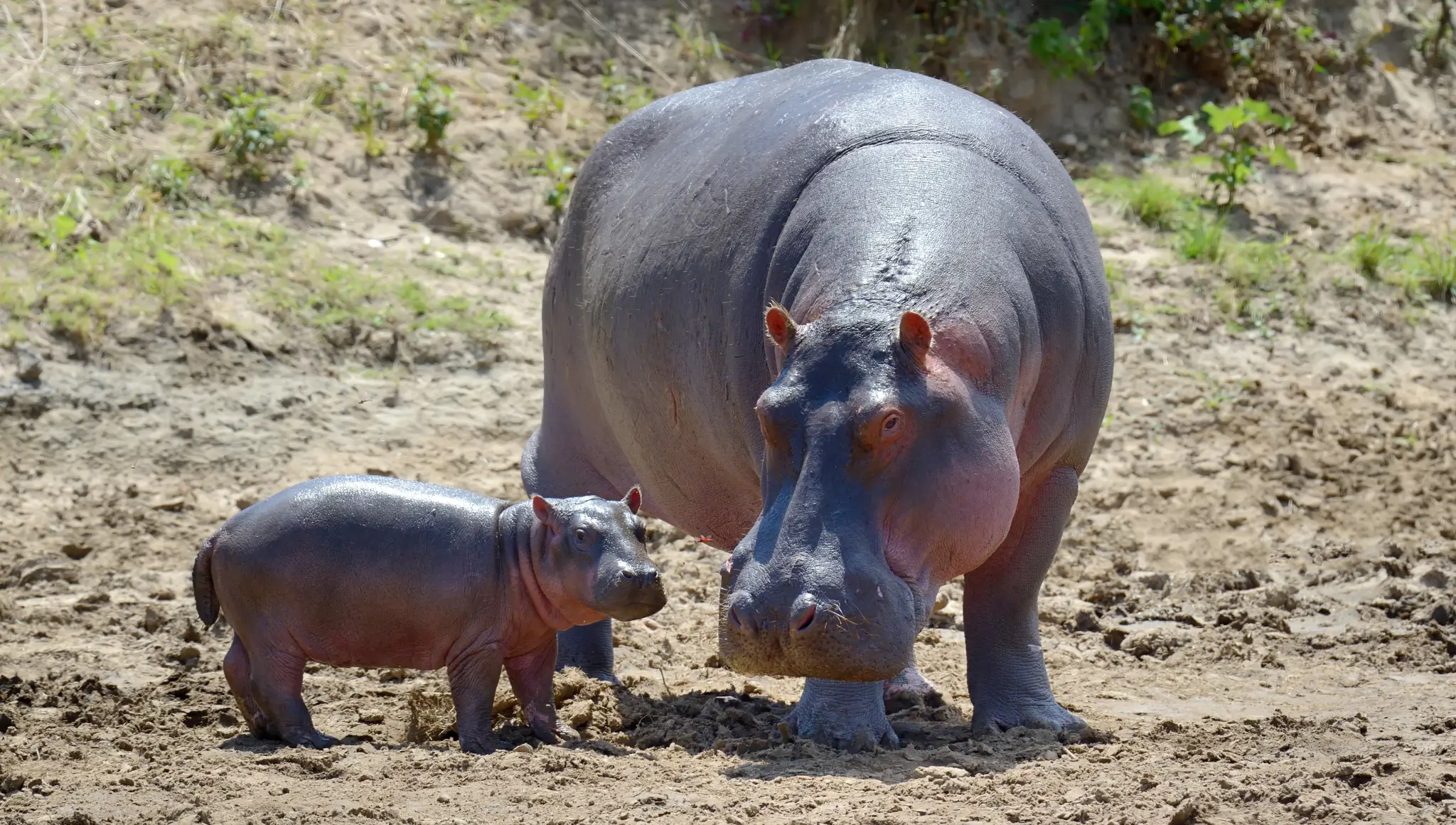
Hippo Day 2026 (15 February): Date, History, Significance, Conservation Awareness & How to Observe
Hippo Day is observed to raise awareness about hippopotamuses, one of the world's largest and most powerful land mammals. Known for their massive size and semi-aquatic lifestyle, hippos play a vital role in maintaining healthy river and wetland ecosystems. Despite their ecological importance, hippopotamuses face increasing threats from habitat destruction, climate change, and illegal hunting. Hippo Day encourages global awareness, conservation education, and appreciation of wildlife biodiversity. In 2026, the observance emphasizes the urgent need to protect freshwater ecosystems and promote peaceful coexistence between humans and wildlife.
Hippo Day 2026 Date
Hippo Day 2026 will be observed on Sunday, 15 February 2026. The day is observed annually on February 15.
Theme
Hippo Day does not have an official annual theme. The observance generally focuses on wildlife conservation, habitat protection, biodiversity awareness, ecosystem balance, and environmental responsibility.
History of Hippo Day
Hippo Day emerged as an awareness initiative supported by wildlife conservation organizations and environmental advocates. The primary objective of the observance is to educate people about hippopotamuses, their ecological role, and the growing threats they face in the wild. Over time, Hippo Day has gained recognition through educational campaigns, conservation programs, and digital outreach aimed at protecting vulnerable wildlife species and their habitats.
Significance of Hippo Day
Hippo Day is significant because it:
- Highlights the ecological importance of hippopotamuses
- Raises awareness about endangered and threatened wildlife species
- Promotes conservation of rivers, lakes, and wetlands
- Encourages responsible environmental stewardship
Hippos contribute to nutrient cycling in rivers, which supports fish populations and maintains aquatic biodiversity.
Why Hippopotamuses Matter?
Hippopotamuses are considered ecosystem engineers. Their daily movement between land and water helps shape riverbanks, improve water flow, and distribute nutrients across aquatic systems. Protecting hippos also safeguards freshwater habitats that millions of people and countless species depend on for survival.
Conservation Challenges Facing Hippos
- Habitat loss due to urban expansion and agricultural development
- Illegal hunting for meat and ivory teeth
- Climate change is affecting water levels and food availability
- Human-wildlife conflict in shared landscapes
Addressing these challenges requires education, strong wildlife policies, and community participation.
Role of Conservation Organizations
Wildlife conservation groups play a crucial role in protecting hippopotamuses through habitat preservation, anti-poaching efforts, research programs, and community education. Supporting these organizations helps ensure the long-term survival of hippo populations.
Activities for Hippo Day
- Learning about hippopotamuses and their natural habitats
- Supporting wildlife conservation organizations
- Participating in educational programs or virtual talks
- Sharing conservation awareness through articles and discussions
- Encouraging sustainable environmental practices
How to Observe Hippo Day?
Individuals can observe Hippo Day by spreading awareness about wildlife conservation, supporting ethical tourism, donating to conservation initiatives, or educating others about the importance of protecting endangered species and fragile ecosystems.
Wishes & Messages for Hippo Day
- On Hippo Day, let us commit to protecting wildlife and nature.
- May awareness lead to stronger conservation efforts worldwide.
- Protecting hippos means protecting freshwater ecosystems.
- Wildlife conservation is a shared global responsibility.
- Let us respect and preserve Earth's biodiversity.
- Healthy ecosystems depend on protected wildlife.
- Awareness today can save species tomorrow.
- Hippo Day reminds us of nature's delicate balance.
- Conservation begins with understanding and action.
- Protect habitats to protect life on Earth.
- Let us work together for wildlife preservation.
- Every species plays a vital role in nature.
- Choose sustainability to protect future generations.
- Support conservation to keep ecosystems thriving.
- Wildlife protection strengthens our planet.
- Awareness is the first step toward conservation.
- Protect rivers, wetlands, and wildlife habitats.
- Nature thrives when humans act responsibly.
- Celebrate biodiversity and environmental stewardship.
- Let Hippo Day inspire action for conservation.
Quotes on Wildlife and Conservation
-
“The earth has music for those who listen.”
-
“Wildlife and its habitat cannot speak, so we must and we will.”
-
“In nature, nothing exists alone.”
-
“The future of wildlife is in our hands.”
-
“Conservation is a state of harmony between men and land.”
-
“Biodiversity is the foundation of life on Earth.”
-
“Nature provides for need, not greed.”
-
“Protecting wildlife means protecting ourselves.”
-
“Every species matters in the web of life.”
-
“Conservation is humanity caring for the future.”
Social Media Captions for Hippo Day
- Raising awareness for hippo conservation today.
- Protect wildlife, protect ecosystems.
- Every species matters.
- Conservation begins with awareness.
- Supporting biodiversity for a sustainable future.
Poster Ideas for Hippo Day
- Theme: “Protect Hippos, Protect Rivers” with wildlife imagery
- Theme: “Conservation Starts with Awareness”
- Theme: “Every Species Matters”
- Quote Poster: “The future of wildlife is in our hands.”
Did You Know?
Hippopotamuses spend most of their day in water to keep their bodies cool and protect their skin from sun exposure, emerging at night to graze on land.
Conclusion
Hippo Day 2026 serves as a reminder of the importance of wildlife conservation and environmental responsibility. By learning about hippopotamuses and supporting efforts to protect their habitats, individuals help preserve biodiversity and maintain healthy ecosystems. Conservation awareness today ensures a balanced and sustainable planet for future generations.
