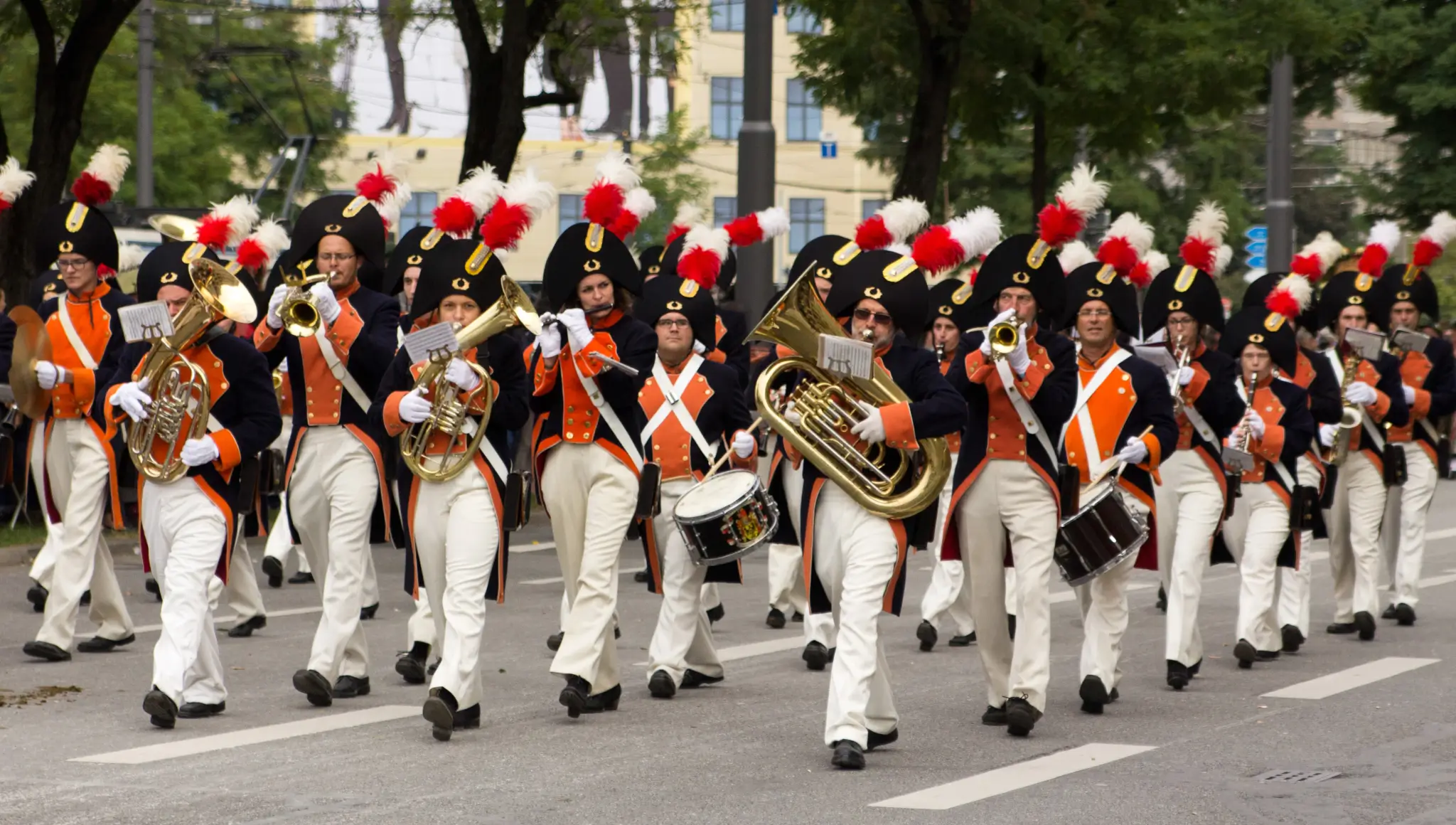
Marching Music Day 2026 (4 March): Date, Meaning, History, Significance, Wishes, Quotes, Poster Ideas, Activities, Psychology, Quiz, Polls & Complete Celebration Guide
Marching Music Day 2026 is a cultural observance that celebrates the discipline, artistry, teamwork, and historical importance of marching music. From school marching bands and drumlines to military and ceremonial performances, marching music represents precision, unity, and the powerful connection between sound and movement.
The day is widely observed in the United States, where marching bands are deeply rooted in education systems, community traditions, sports culture, and national ceremonies.
Marching Music Day 2026: Date & Day
- Date: March 4, 2026
- Day: Wednesday
- Type of Observance: Music and cultural appreciation day
- Core Focus: Marching bands, discipline, performance, teamwork, and musical heritage
- Audience: Students, educators, musicians, institutions, and music enthusiasts
Marching Music Day 2026 Theme
Marching Music Day 2026, celebrated on March 4th, centers on the theme "March forth to the rhythm of life" honoring all forms of "music on the move," including marching bands, drum corps, and pep bands. It encourages celebrating the diverse styles, performers, and dedication of marching musicians worldwide.
Key details about Marching Music Day 2026:
- Date: March 4, 2026.
- Theme: "March forth to the rhythm of life".
- Purpose: Celebrates all marching music performers and styles.
What Is Marching Music Day?
Marching Music Day is dedicated to recognizing the unique art form that combines musical excellence with coordinated movement.
- It celebrates musicians who perform while maintaining precise formations and timing, often under physically demanding conditions
- It highlights the fusion of rhythm, motion, and visual storytelling through performance
- It honors the teamwork required to perform as a single, unified ensemble
- It acknowledges the mental focus, stamina, and discipline involved
- It promotes respect for live performance traditions that bring communities together
History & Evolution of Marching Music
Marching music has evolved over centuries while retaining its symbolic strength.
- It originated in military settings where music was used to regulate marching pace and boost morale
- Over time, it expanded into ceremonial, civic, and celebratory contexts
- Educational institutions adopted marching bands to promote discipline and school spirit
- Marching music became a staple of parades, sporting events, and national celebrations
- Today, it blends tradition with modern musical styles and visual innovation
Why is Marching Music Day Important?
1. Preserves Musical and Cultural Heritage
- Marching music keeps centuries-old performance traditions alive in a modern context
- It connects historical practices with contemporary artistic expression
- It helps pass cultural knowledge from one generation to the next
- It strengthens community identity through shared musical experiences
- It honors the legacy of ceremonial and patriotic music
2. Strengthens Music Education Programs
- Marching bands serve as entry points into formal music education
- They help students develop musical literacy and technical skills
- Participation encourages discipline, time management, and responsibility
- Music programs foster creativity alongside structure
- Strong band programs often strengthen overall school culture
3. Builds Discipline, Teamwork, and Leadership
- Performers must rely on one another for timing and precision
- Each member learns accountability within a larger group
- Students develop leadership through section roles and peer mentoring
- Marching teaches resilience through repeated practice and performance pressure
- The ensemble mindset reinforces collaboration over individual spotlight
4. Enhances Physical and Mental Development
- Marching music improves posture, coordination, and endurance
- It requires intense concentration and multitasking
- Physical movement supports overall fitness and stamina
- Performance builds confidence and stage presence
- Mental discipline developed through rehearsal benefits academic life
5. Inspires Community Pride and Unity
- Marching bands often represent schools, towns, or institutions
- Performances energize crowds during public events
- They foster a sense of belonging and shared identity
- Community support strengthens arts participation
- Music becomes a unifying force across age groups
Types of Marching Music Performances - Marching Music Day 2026
- School and collegiate marching bands performing at games and competitions
- Military and ceremonial bands at official events
- Drumlines and percussion ensembles showcasing rhythmic precision
- Parade bands celebrating civic occasions
- Competitive marching shows blend music, choreography, and storytelling
How to Celebrate Marching Music Day 2026
In Schools & Colleges
- Organize live marching band demonstrations or assemblies
- Highlight the history and impact of marching music in classrooms
- Recognize band members and instructors publicly
- Invite alumni musicians to share experiences
- Encourage students to explore music programs
In Communities
- Host small parades or marching showcases
- Feature local bands at community events
- Offer open rehearsals for public viewing
- Conduct music education workshops
- Celebrate local music educators
Online & Digital Celebrations
- Share marching band performances on social platforms
- Post behind-the-scenes rehearsal stories
- Create short educational videos about marching music
- Run interactive trivia or polls
- Highlight the value of music education
Psychological & Social Benefits of Marching Music on Marching Music Day 2026
- Builds self-discipline and perseverance
- Encourages emotional expression through music
- Strengthens peer relationships
- Boosts self-esteem through achievement
- Creates a sense of purpose and belonging
Poster Ideas for Marching Music Day 2026
- Where Rhythm Meets Discipline
- Marching Music Day - March 4, 2026
- Every Step, Every Note, Together
- Celebrating Sound, Structure, and Spirit
- March Forward With Music
Wishes for Marching Music Day 2026
- On Marching Music Day 2026, may every musician feel proud of the discipline, dedication, and teamwork that bring marching music to life.
- Wishing marching band members continued strength, focus, and joy as they balance precision with creativity.
- May this day honor the countless rehearsal hours that transform effort into excellence.
- Wishing educators and band directors recognition for shaping both musicians and character.
- May marching music continue to inspire unity and pride in communities everywhere.
- Wishing young musicians confidence as they perform with purpose and passion.
- May every step and note reflect teamwork and resilience.
- Wishing continued support for school and community music programs.
- May Marching Music Day encourage more students to explore the arts.
- Wishing performers the thrill of live music and the satisfaction of shared success.
- May marching music remain a symbol of discipline and collaboration.
- Wishing bands opportunities to grow, innovate, and inspire.
- May every performance strengthen cultural appreciation for live music.
- Wishing musicians pride in representing their schools and communities.
- May the rhythm of marching music energize audiences everywhere.
- Wishing perseverance through challenges and joy through achievement.
- May Marching Music Day celebrate the harmony of movement and sound.
- Wishing respect and appreciation for the art of marching performance.
- May marching music continue to unite generations through tradition.
- On Marching Music Day 2026, may music and motion always move forward together.
Quotes About Music & Performance on Marching Music Day 2026
-
“Music is the universal language of mankind.”
-
“Where words fail, music speaks.”
-
“Music gives a soul to the universe.”
-
“The art of performance is the art of becoming.”
-
“Without music, life would be a mistake.”
Marching Music Day Quiz
- What two elements define marching music?
- Where did marching music originally develop?
- Why is teamwork essential in marching bands?
- What skills does marching music help develop?
- Where are marching bands most commonly seen today?
Interactive Poll on Marching Music Day 2026
What do you admire most about marching music?
- Precision and discipline
- Team coordination
- Visual formations
- Live performance energy
- Cultural and ceremonial impact
March With Purpose - Marching Music Day 2026
Marching Music Day is a reminder that music is more powerful when created together. Support music education, attend live performances, and take time to appreciate the discipline and artistry behind every marching step.
Frequently Asked Questions (FAQs) about Marching Music Day 2026
When is Marching Music Day 2026?
It is observed on March 4, 2026.
Is Marching Music Day a public holiday?
No, it is a cultural observance.
Who celebrates Marching Music Day?
Students, educators, musicians, and music supporters.
Why is marching music important?
It combines musical skill, discipline, and teamwork.
Where is marching music commonly performed?
At parades, sports events, ceremonies, and competitions.
Is marching music physically demanding?
Yes, it requires endurance, coordination, and focus.
Can beginners join marching bands?
Yes, many programs welcome beginners.
What instruments are used in marching bands?
Brass, woodwinds, and percussion instruments.
How can communities support marching music?
By attending performances and funding music programs.
Why should marching music be preserved?
It is an important cultural, educational, and artistic tradition.
Conclusion
Marching Music Day 2026 celebrates more than coordinated sound—it honors discipline, teamwork, tradition, and artistic dedication. From school fields to ceremonial parades, marching music continues to inspire unity, pride, and the enduring power of collective performance.
